



Surprising things you will see only in Tbilisi is not the first topic that comes to mind when you are planning travelling, but if you do plan to visit, you should know that there’s more to this city than the cosy streets and friendly people. Tbilisi is one of those cities that stays with you long after you leave. It’s not only the warm hospitality or the food that tastes like a hug—it’s the unexpected details scattered throughout the city. The blend of modern chaos, layered history, quirky traditions, and heartfelt friendliness makes Tbilisi feel both familiar and entirely surprising at the same time. Travellers often describe it as a place where Europe and Asia meet, shake hands, share a drink, and then start dancing. And honestly, that description isn’t far off. If you’re someone who loves discovering little oddities and hidden charms, these surprising facts about Tbilisi will make the city even more unforgettable.
Tbilisi, A City Full of Everyday Wonders
Tbilisi is one of those rare capitals where the ordinary feels extraordinary, and where daily life itself turns into a collection of small, fascinating surprises. Walking through the city, you quickly realize that its charm isn’t limited to grand landmarks or famous tourist spots—it’s woven into the streets, the people, and the beautifully chaotic blend of past and present. From the moment you hear the lyrical flow of the Georgian language in a bustling courtyard to the sight of mismatched balconies clinging to centuries-old buildings, you understand that Tbilisi lives in its details. Before diving into all the surprising things you’ll see only here, this introduction sets the stage for a city that embraces its quirks—and proudly shares them with anyone curious enough to look.
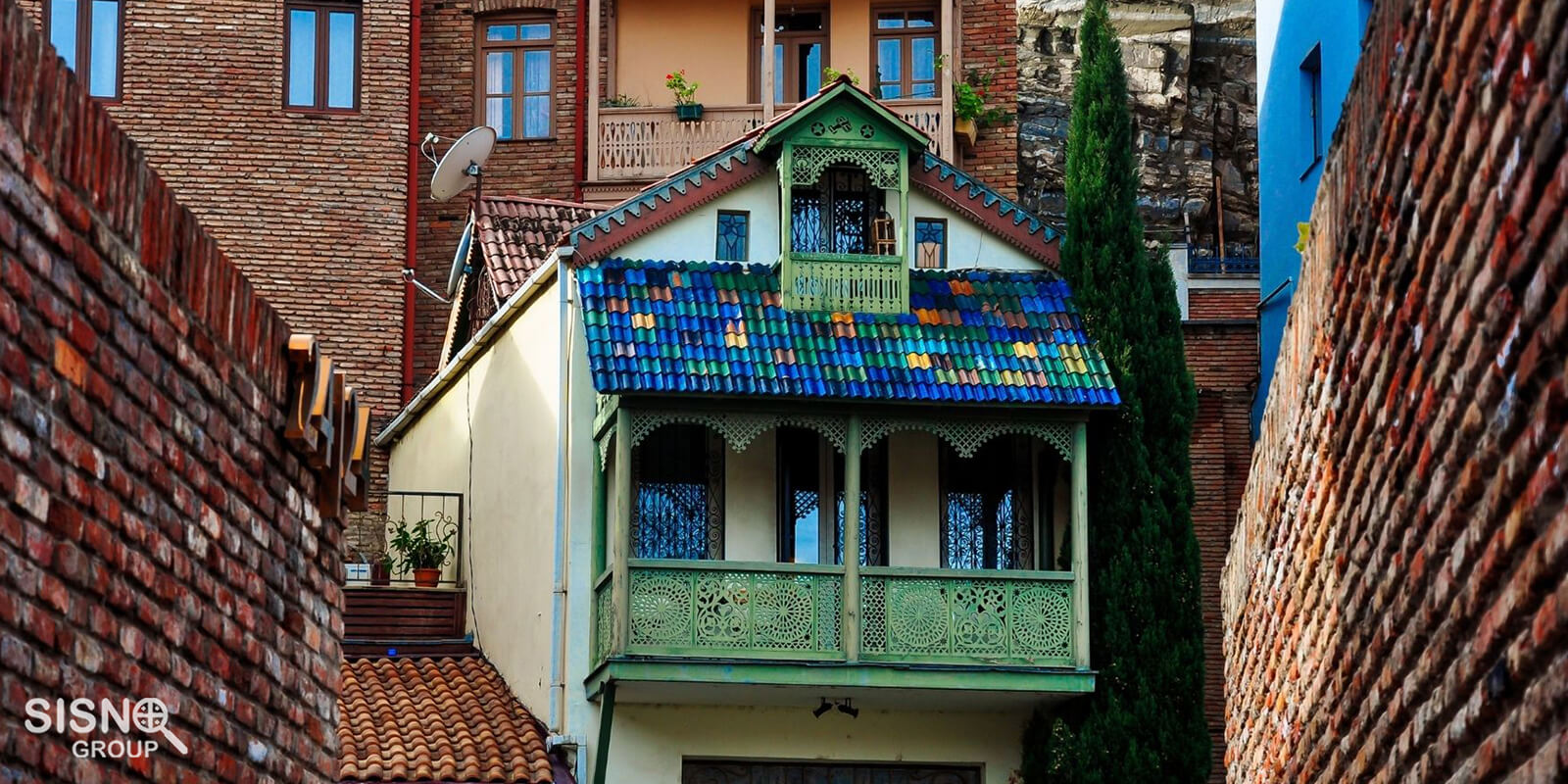
Tbilisi Balconies
One of the first things you notice while walking through Tbilisi is the architecture—specifically, the balconies. Soft-coloured wooden houses lean over the streets, with carved balconies that look as if they were attached as an afterthought. Many seem to defy physics, hanging on the edge of small cliffs or standing on thin wooden pillars. They’re charming, a bit chaotic, and undeniably photogenic. These balconies aren’t just decoration; they are part of everyday life. Locals drink morning coffee on them, dry laundry, talk to neighbours, or simply watch the world go by. These decorative balconies date back to Tbilisi’s old tradition of wooden craftsmanship, which mixed Persian influences with local construction methods. Some balconies are more than a century old and have survived earthquakes, wars, and modern development projects. Their resilience alone could be considered one of the biggest surprising facts in Tbilisi for first-time visitors.
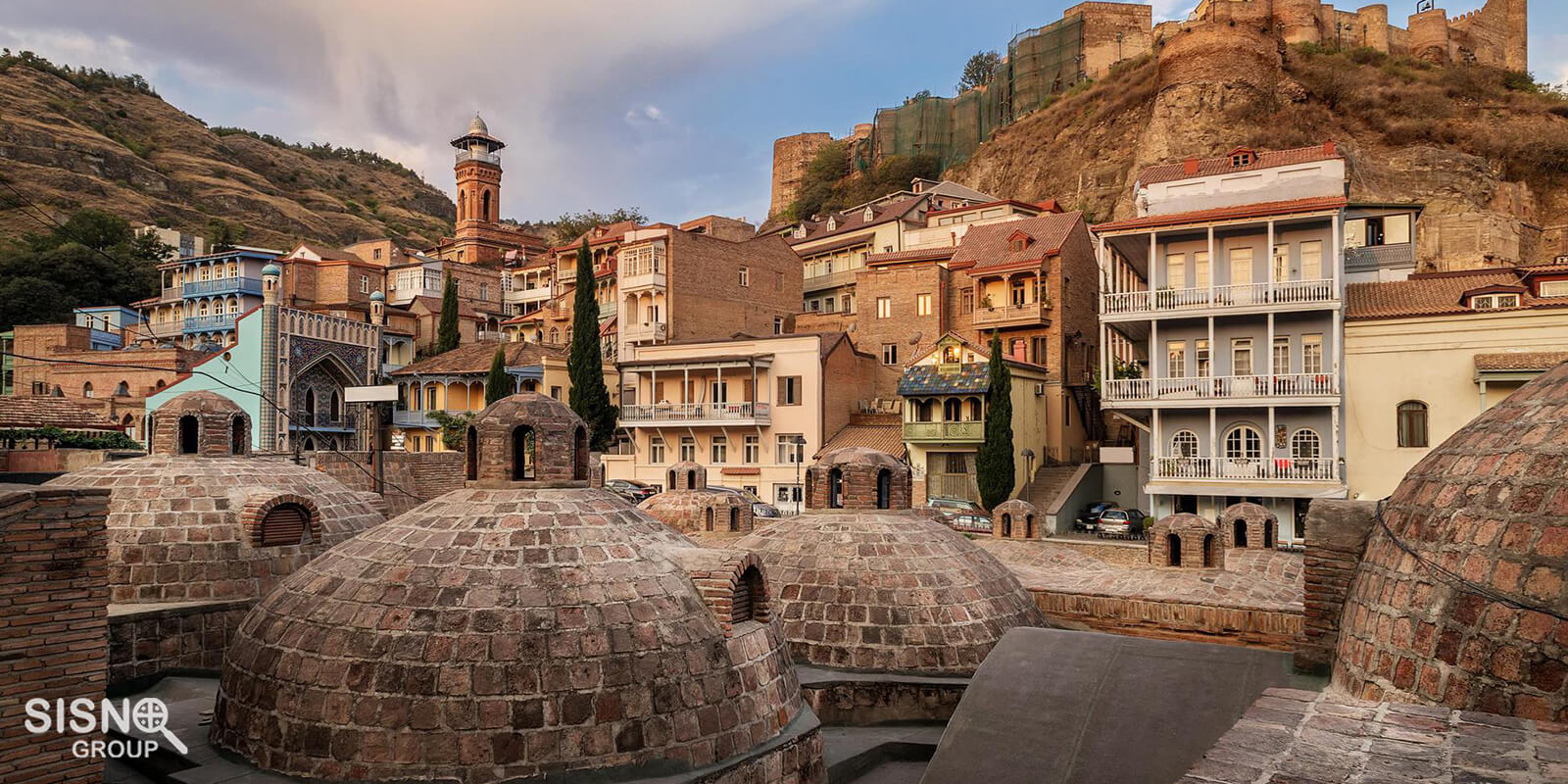
Historic sulphur baths in Tbilisi
Few capital cities in the world have natural hot springs right in the city centre. Tbilisi, whose name actually comes from the Georgian word “tbili”, meaning “warm”, is built around these natural sulphur springs. In the historic Abanotubani district, you’ll see dome-shaped bathhouses made of brick, some partially buried underground. These bathhouses are more than a tourist attraction—they’re an important part of local culture. Generations of Tbilisians have grown up visiting sulphur baths for health, relaxation, and social gatherings. Some people come for the medicinal benefits, others for the famous “kisa” scrub that leaves your skin unbelievably soft. Even travellers who have visited bath cultures around the world often find Tbilisi’s version unique. It feels ancient, raw, and authentic—a ritual that connects you to centuries of tradition. This long bathing tradition is also tied to religion in Georgia, especially in older times, when spiritual cleansing was associated with physical cleansing. While practices have evolved, the cultural connection remains strong.
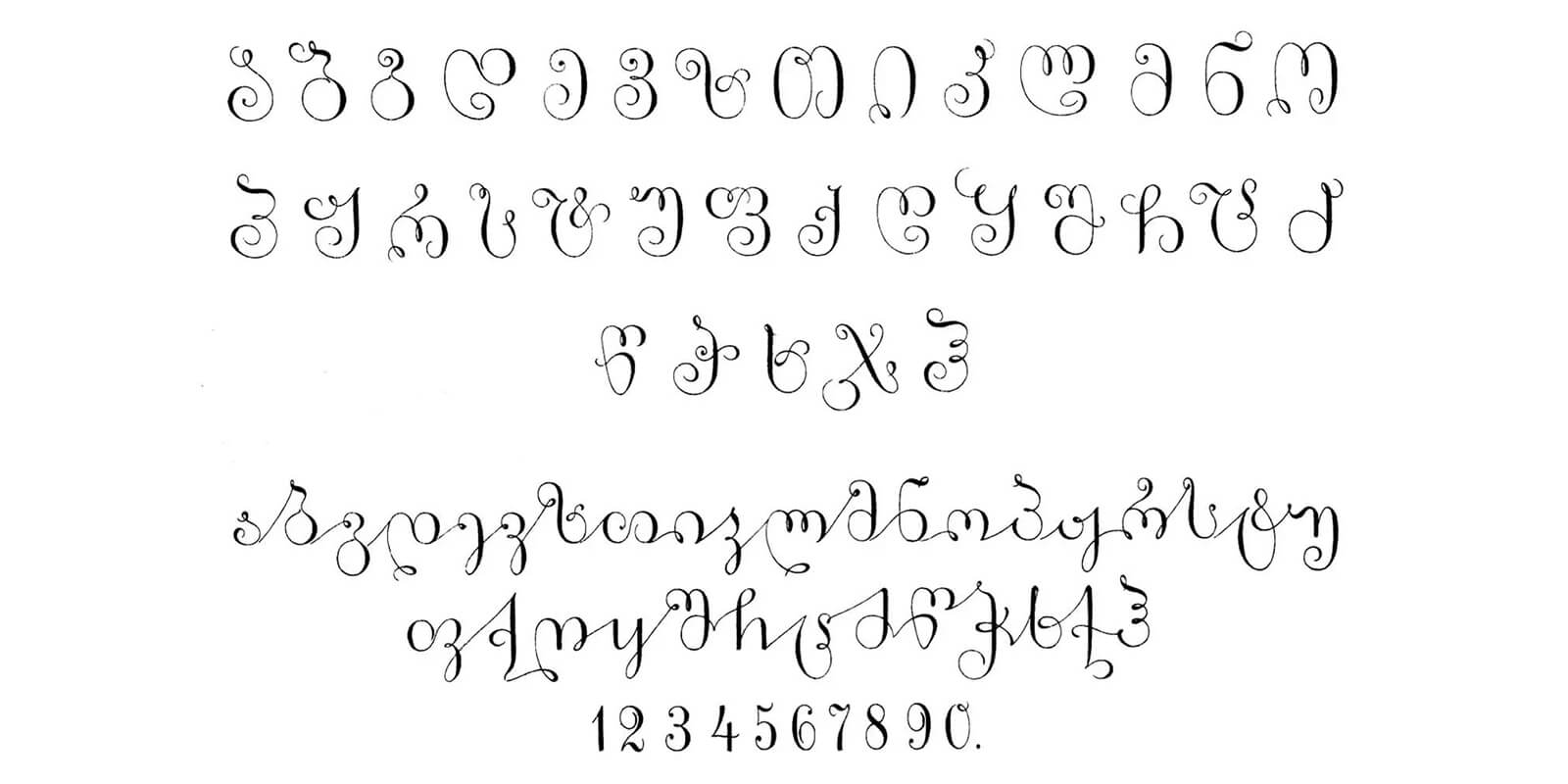
Displays of the Georgian alphabet in Tbilisi
Georgia has its own alphabet—actually three historical alphabets—but the one used today is called Mkhedruli. The script is curvy, artistic, and completely unique. You won’t find it anywhere else in the world. Many travellers are surprised when they realise that Georgian is not related to Russian, European languages, or even Middle Eastern languages. It stands alone. Linguists classify it as part of the Kartvelian language family, which exists only in Georgia. You see this love for the Georgian language everywhere: handwritten menus, shop signs, street art, metro announcements, and even banners with alphabets in the underground passages. Locals feel deeply connected to their language, especially because Georgia has faced many historical threats where language played a key role in preserving identity. This pride is one of the surprising facts in Tbilisi that visitors notice quickly—locals appreciate it deeply when you learn even one or two words. Try greeting someone with a simple “Gamarjoba” (hello) and watch how warmly people respond. That alone can make your experience in Tbilisi ten times richer.
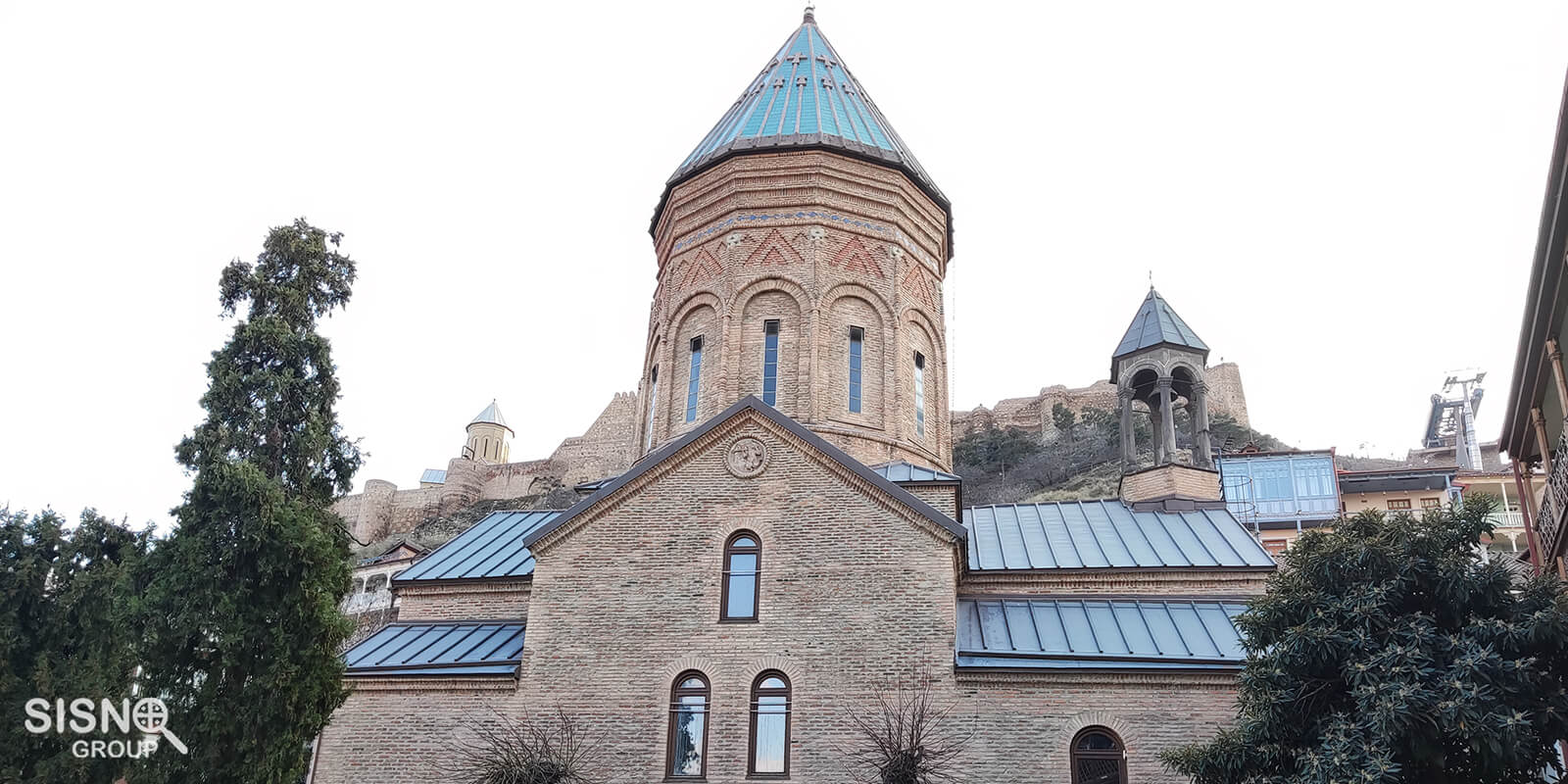
Churches in Tbilisi
Another thing that sets Tbilisi apart is how deeply spirituality is woven into everyday life. Religion in Georgia, particularly Orthodox Christianity, plays a major cultural role. While walking around the city, you will notice churches everywhere—tiny chapels tucked between buildings, large cathedrals on hilltops, old stone churches in Tbilisi courtyards, and ancient monasteries overlooking the river.
It’s not uncommon to see people crossing themselves as they pass by a church or pausing to light a candle. Even in modern, fast-paced districts, religious life remains visible and respected. The Holy Trinity Cathedral, also known as Sameba, stands tall above the city and is one of the largest Orthodox churches in the world. Its presence alone is breathtaking. This spiritual atmosphere creates a certain calm, a balance between old and new, which many consider one of the most beautiful surprising facts in Tbilisi—a modern city that holds onto its traditions with quiet dignity.
Clock tower of old Tbilisi
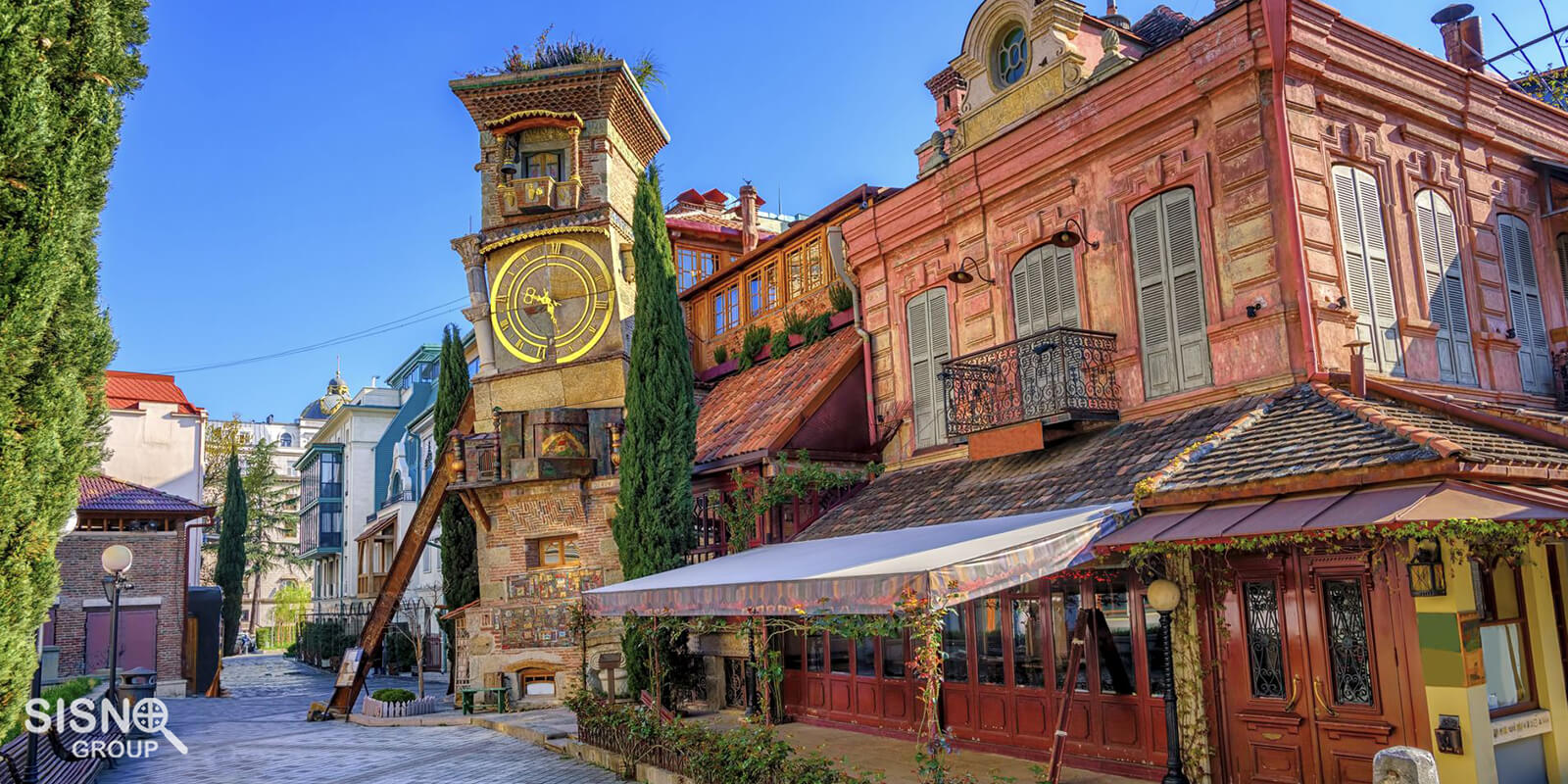
If you stroll through the small and hidden streets of Tbilisi, you might stumble across a crooked, whimsical clock tower of old Tbilisi. It looks like something taken from a magical world—tilted walls, colourful tiles, uneven shapes, and a charming little angel that appears every hour to strike a bell. This unusual tower belongs to the Rezo Gabriadze Marionette Theatre, one of the city’s artistic treasures. Gabriadze, a legendary Georgian artist, built the tower himself, piece by piece, using recycled materials, ceramics, and imagination. The result is one of the most photographed landmarks in Tbilisi. But many people don’t know that the tower also contains a tiny mechanical puppet show that plays at noon. This strange and beautiful creation perfectly reflects Tbilisi’s playful soul—artistic, quirky, and proudly unique.
Wine in Tbilisi
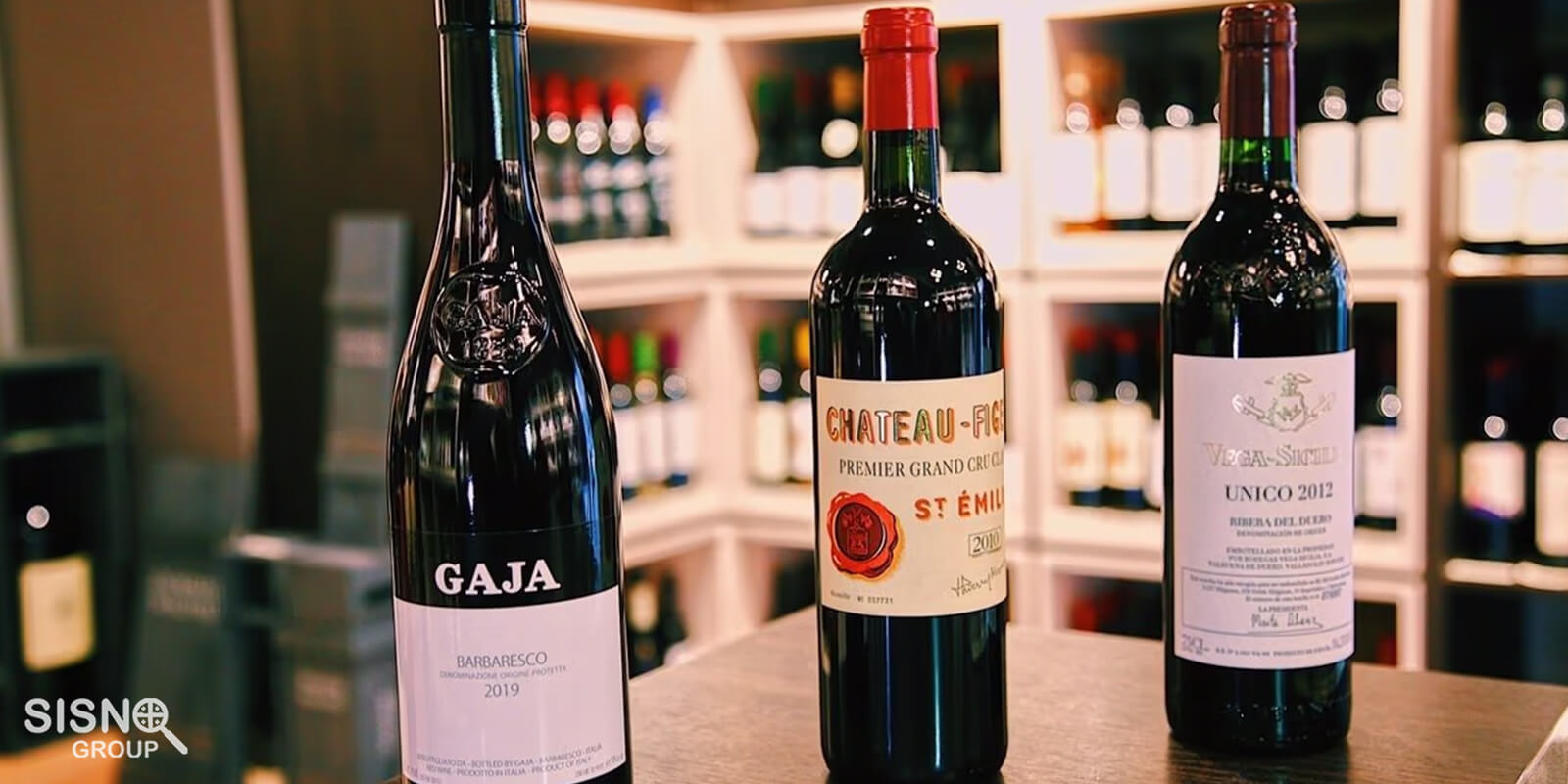
Georgia is widely considered the birthplace of wine, and Tbilisi lives up to this claim. You’ll find wine in restaurants, markets, small shops, underground cellars, and even in some tiny family-run places hidden inside courtyards. What may surprise visitors is how casual, warm, and generous Georgian wine culture feels. A stranger could invite you to share a glass during an evening stroll, and it wouldn’t be unusual. Wine bars often serve homemade wine made with ancient qvevri methods, where the wine ferments underground in clay vessels. The taste is earthy, natural, and unforgettable. For many, the chance to experience wine the way Georgians have been making it for over 8,000 years is one of the most delightful surprising facts in Tbilisi.
Tbilisi’s Cable Cars and Funiculars
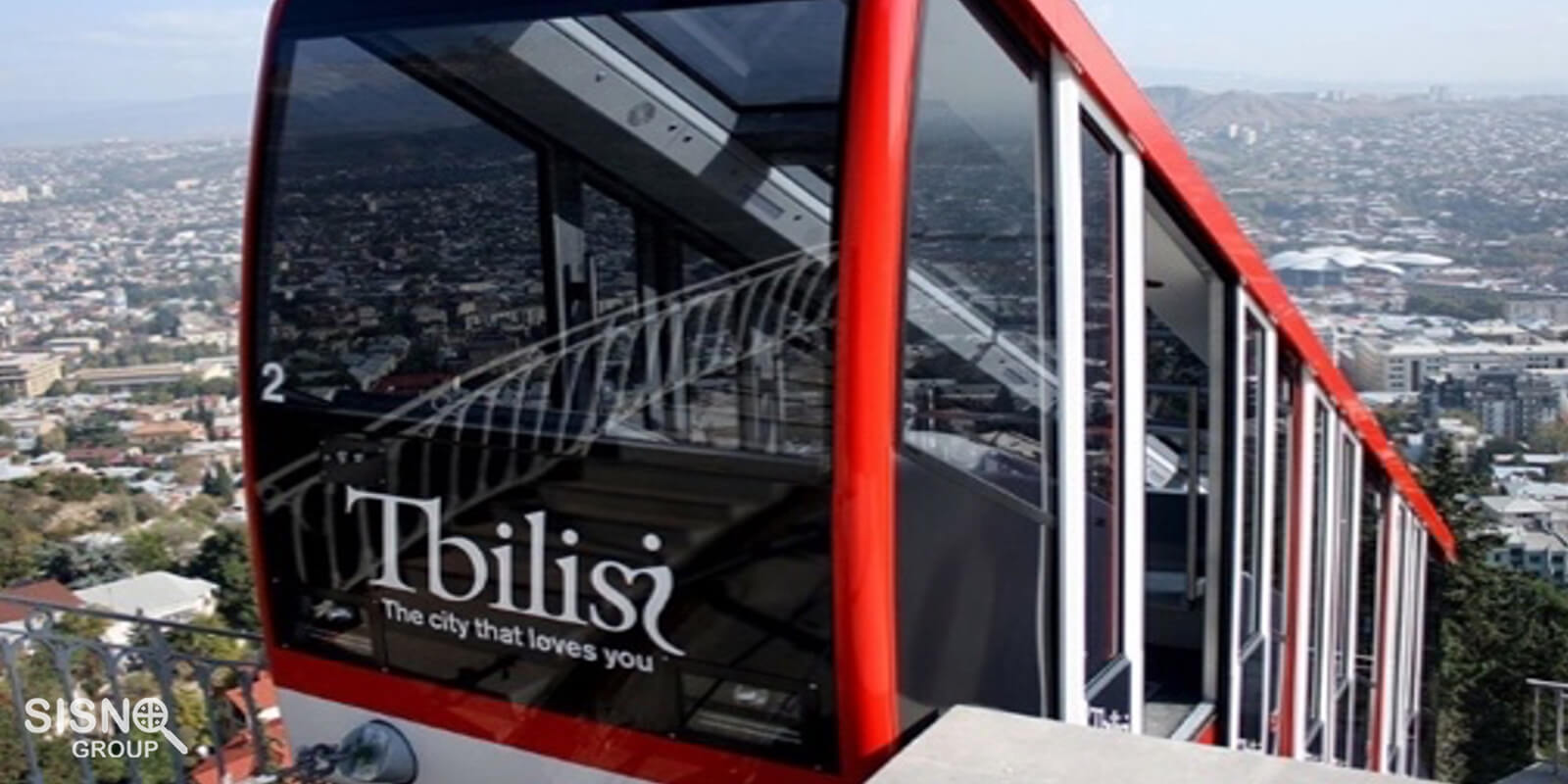
Public transportation in Tbilisi includes something extra fun—cable cars and funicular railways. Few capitals offer such scenic ways to get around. The cable car from Rike Park to Narikala Fortress gives a panoramic view of the entire city, from old terracotta rooftops to modern glass buildings. The Mtatsminda Funicular takes you up to Mtatsminda Park, a hilltop amusement area with restaurants, cafés, and one of the best viewpoints in Tbilisi.
These rides are not just for tourists; many locals use them as shortcuts to get to different neighbourhoods. It’s transportation with personality—something wonderfully characteristic of Tbilisi’s practical yet charming style.
Tbilisi community courtyards
If you wander into residential courtyards in Tbilisi, you’ll quickly understand why people say the city feels like one big neighbourhood. These shared spaces are filled with grapevines, laundry lines, wooden staircases, and old benches where neighbours sit and chat. Children play outside, grandparents watch from balconies, and someone’s cat is always wandering around. These courtyards often hold decades of stories and are a central part of community life. For many travellers, experiencing this everyday closeness becomes one of the most meaningful surprising facts in Tbilisi. In a world where many cities feel disconnected, Tbilisi offers something rare—real neighbourhood warmth.

Conclusion
Tbilisi is a city that embraces its contradictions. It’s old but modern, chaotic yet gentle, spiritual but playful, and proud but welcoming. Every corner hides something unexpected—from wooden balconies and ancient baths to charming clock towers and lively courtyards. The blend of history, culture, the beauty of the Georgian language, and the importance of religion in Georgia adds even more depth to the experience. These small surprises are what make the city unforgettable. Tbilisi doesn’t try to impress you; it simply invites you in and lets you discover its soul at your own pace. And somewhere between the winding streets and the warm smiles, you fall in love with it without even noticing.


No comment