


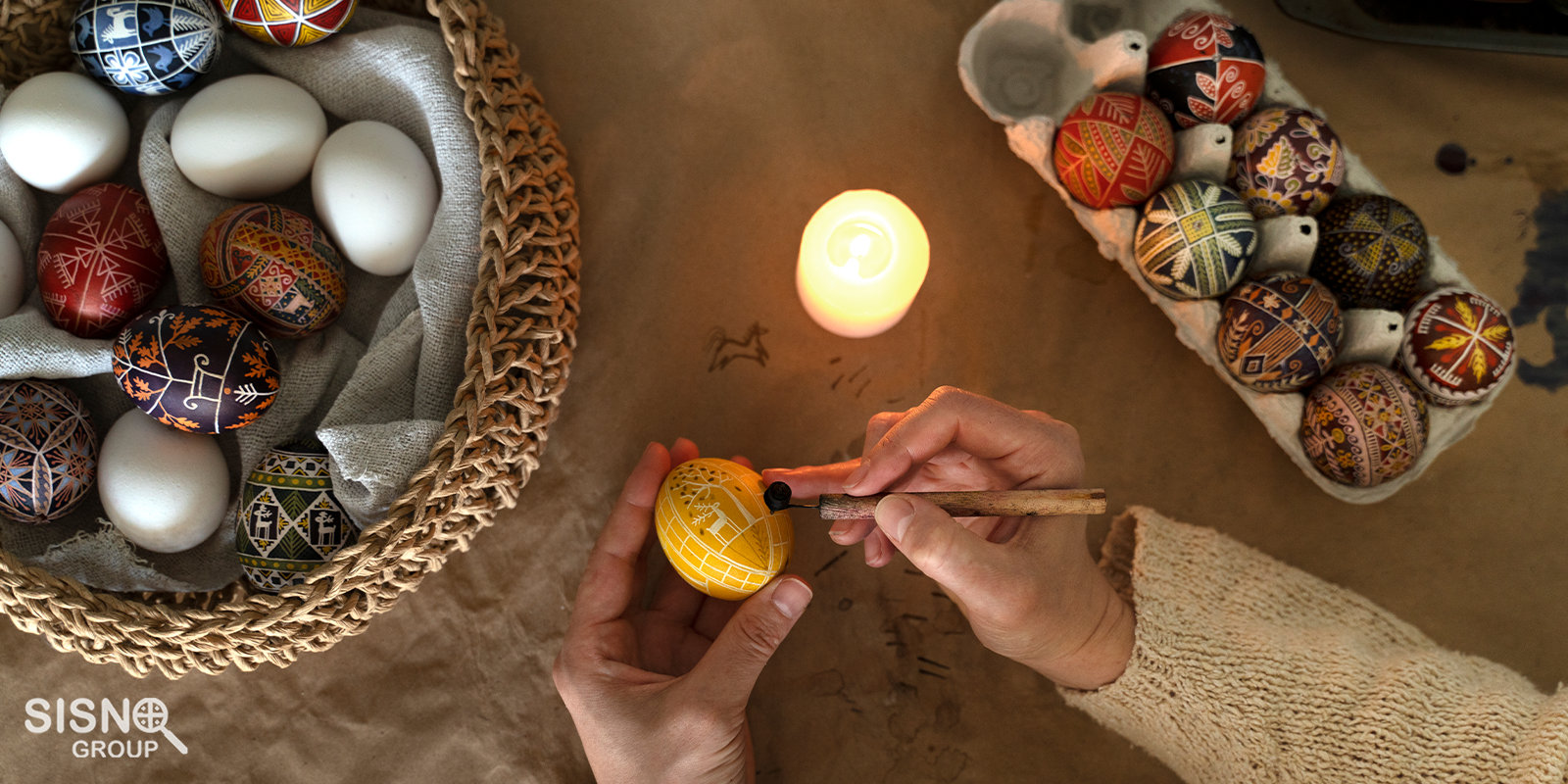
Easter in Georgia is one of the most deeply cherished religious celebrations in the country, reflecting centuries-old traditions, strong faith, and a vibrant cultural identity. In Georgia, where Christianity has played a central role since the 4th century, Easter is far more than a holiday—it is a spiritual and communal experience. Families gather, churches fill with worshippers, and symbolic rituals unfold across cities and villages alike. From solemn observances during Holy Week to joyful feasts on Easter Sunday, every moment carries meaning. Easter in Georgia brings together faith, history, and togetherness in a unique and unforgettable way. Additionally, the celebration highlights Georgia’s deep sense of hospitality, where neighbors and relatives come together to share traditions, stories, and meals. This unity strengthens community bonds and preserves customs that have been passed down through generations.
Easter holidays in Georgia 2026
Easter holidays in Georgia 2026 will follow the Orthodox Christian calendar, which often differs from Western Easter dates. In 2026, Orthodox Easter is expected to fall later than Catholic Easter, reflecting the use of the Julian calendar by the Georgian Orthodox Church. This means that Easter in Georgia will once again bring a distinct rhythm to springtime celebrations across the country.
The official holiday period typically includes Good Friday, Holy Saturday, Easter Sunday, and Easter Monday. These are public holidays, allowing people to fully participate in religious services and family gatherings. Schools close, many businesses pause operations, and a calm, reflective atmosphere spreads throughout the country.
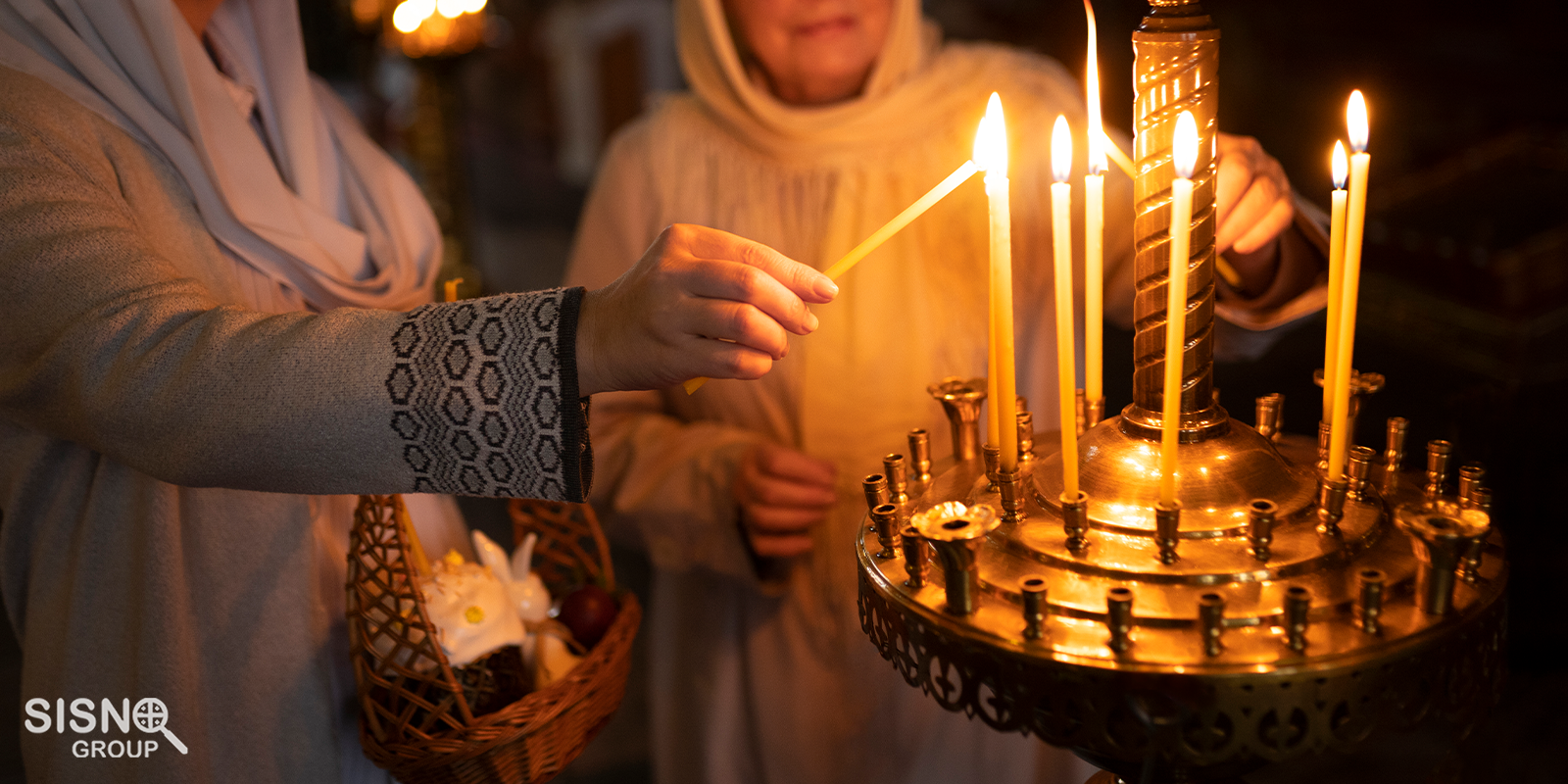
During this time, cities like Tbilisi become quieter, as many residents travel to their hometowns or villages to celebrate with extended family. Churches, however, become the center of activity. Thousands attend late-night liturgies, especially the midnight service that marks the resurrection of Christ. The sight of candles illuminating churchyards is one of the most iconic images of Easter in Georgia.
For travelers, this period offers a unique cultural experience. While some services and businesses may be limited, the opportunity to witness authentic traditions makes it worthwhile. Visitors should plan ahead, especially for transportation and accommodations, as demand can rise during the holiday period.
Easter in Georgia during 2026 will continue to reflect a balance between solemn religious observance and joyful celebration, making it one of the most meaningful times to experience the country’s culture.
In addition, many cultural events and small local markets appear during the holiday period, offering handmade crafts, traditional sweets, and seasonal goods. Although Easter remains primarily religious, these activities add a festive atmosphere, especially for visitors. Experiencing Easter in Georgia during this time allows people to witness both sacred traditions and lively community life.
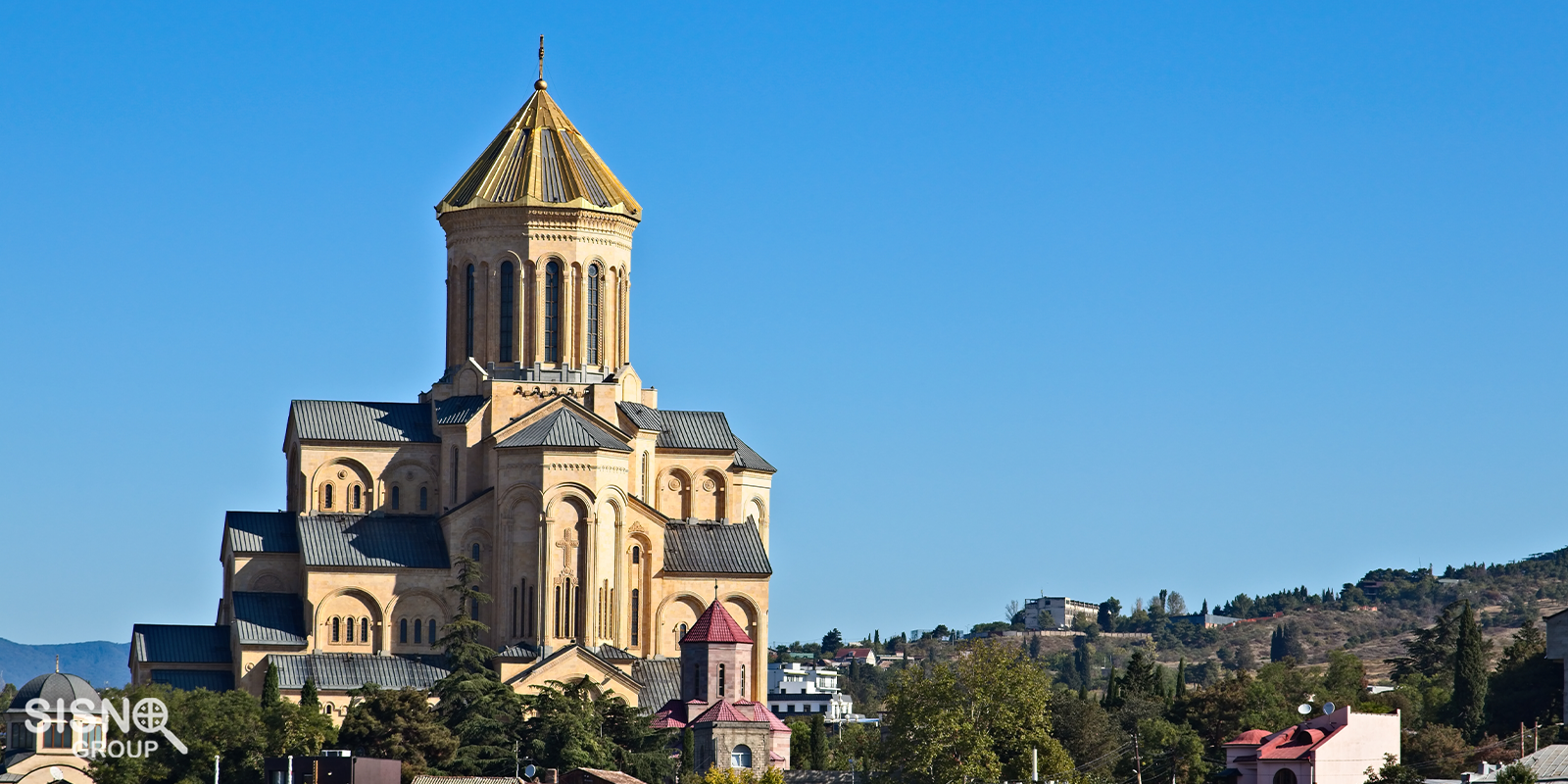
Preparation for Easter in Georgia
Preparation for Easter in Georgia begins long before the holiday itself, rooted in both spiritual discipline and practical customs. The period leading up to Easter is known as Great Lent, a time of fasting, prayer, and reflection that lasts for seven weeks. During this time, many Georgians abstain from meat, dairy, and other animal products, focusing instead on simple, plant-based meals.
Homes are thoroughly cleaned in the days leading up to Easter, symbolizing renewal and purity. This tradition reflects the spiritual cleansing associated with the resurrection. Families also begin preparing special foods that will be consumed after the fast ends, ensuring that everything is ready for the праздничный table.
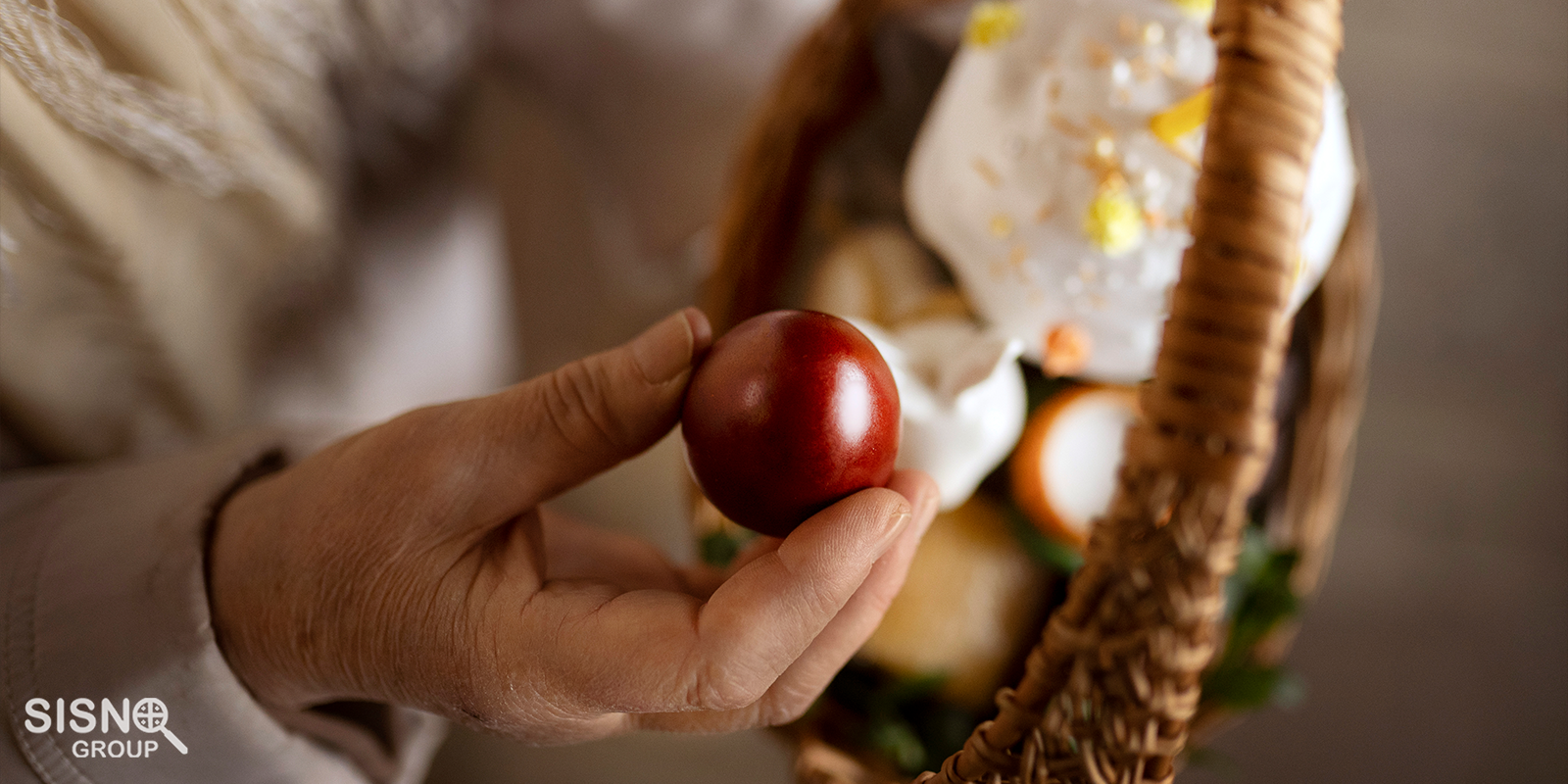
One of the most recognizable customs is dyeing eggs red, which symbolizes the blood of Christ and new life. This activity often becomes a family event, with children participating enthusiastically. The eggs are later used in a traditional game where people tap eggs against each other, and the one that remains uncracked is considered the winner.
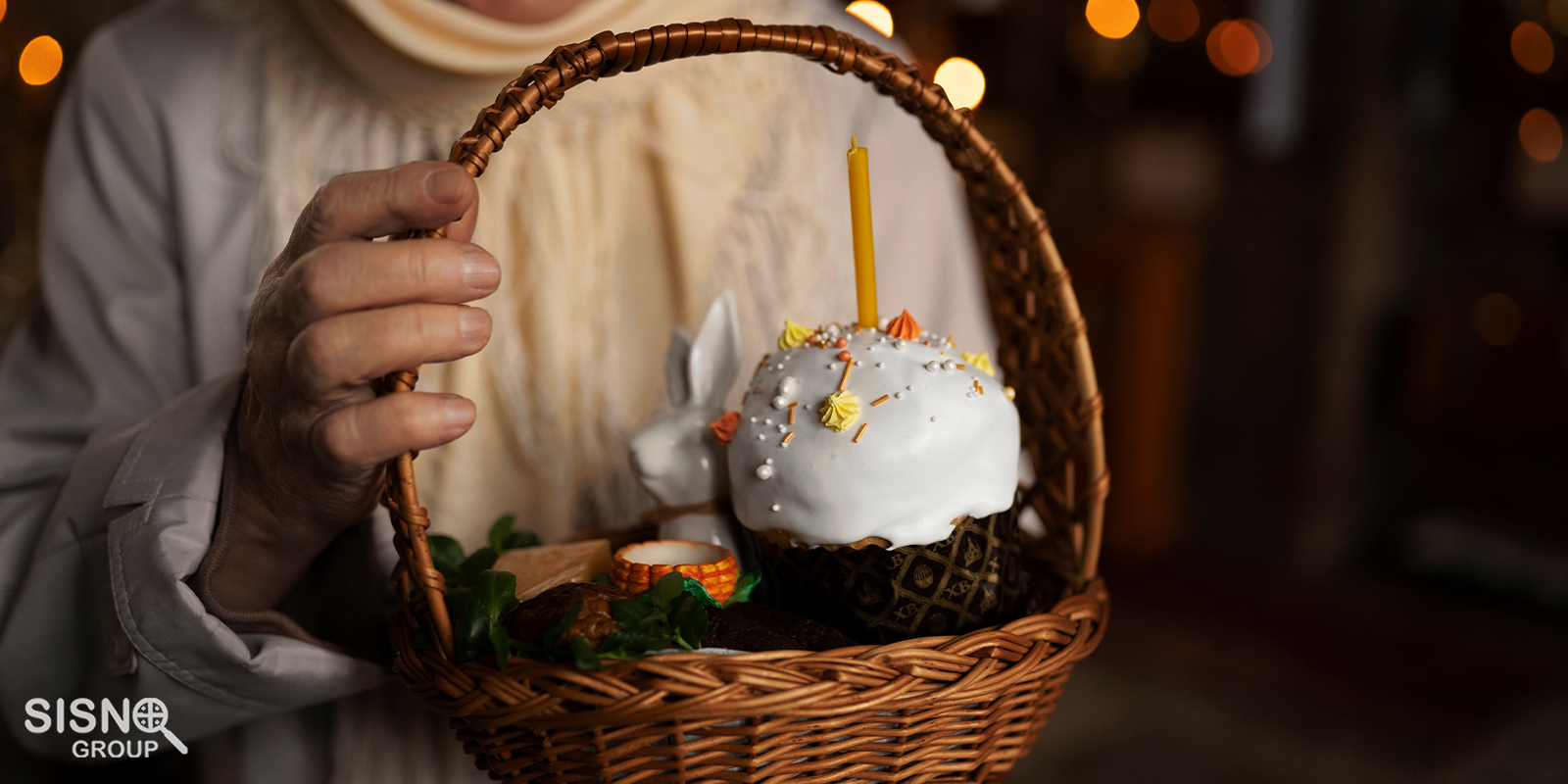
Another important aspect of preparation is baking “paska,” a traditional Easter bread. This sweet, tall bread is often decorated and sometimes blessed in church. Markets and bakeries across Georgia begin selling paska in the days leading up to Easter, filling the air with its distinctive aroma.
Church attendance increases significantly during Holy Week, especially on Good Friday and Holy Saturday. Many people confess and take communion, preparing spiritually for the resurrection celebration. Easter in Georgia is not just about a single day—it is a process that combines faith, discipline, and anticipation.
How is Easter celebrated in Georgia?
To understand how Easter is celebrated, it is essential to consider the role of religion in Georgia. The Georgian Orthodox Church is one of the oldest Christian institutions in the world, and its traditions strongly influence how Easter in Georgia is observed.
The most significant event is the midnight Easter service, held on Holy Saturday night. Worshippers gather in churches, often standing for hours, holding candles. At midnight, the priest announces the resurrection of Christ with the words “Christ is risen!” (“Kriste aghsdga!”), to which the congregation responds, “Indeed He is risen!” (“Cheshmaritad aghsdga!”). This exchange continues throughout the Easter period and is a defining feature of Easter in Georgia.
After the announcement, people light their candles and often walk around the church in a symbolic procession. The atmosphere is both solemn and celebratory, as the long period of fasting comes to an end.
Another important tradition is visiting cemeteries, usually on the Monday after Easter. Families gather at the graves of loved ones, bringing food, wine, and red eggs. They share a meal in remembrance, celebrating life and honoring those who have passed away. This practice highlights the Georgian perspective on death as a continuation rather than an end.
Hospitality plays a major role as well. Guests are warmly welcomed, and it is common to visit relatives and friends throughout the Easter period. Tables are filled with traditional dishes, and toasts are made, often led by a tamada (toastmaster), emphasizing themes of life, faith, and unity. Easter in Georgia is therefore both a deeply religious observance and a vibrant social tradition, blending sacred rituals with communal joy.
Georgian Easter food
Food is an essential part of Easter in Georgia, marking the end of the long Lenten fast with abundance and celebration. Georgian cuisine, known for its rich flavors and variety, takes on special significance during this time.
The centerpiece of the Easter table is often roasted lamb, symbolizing sacrifice and renewal. Alongside it, you will find dishes like khachapuri (cheese-filled bread), mtsvadi (grilled meat skewers), and various vegetable dishes that reflect the country’s culinary diversity.
Paska, the traditional Easter bread, holds a special place. Its slightly sweet taste and soft texture make it a favorite among both children and adults. Many families bake their own, while others purchase beautifully decorated versions from local bakeries. Red-dyed eggs are not just symbolic—they are also eaten and used in games. The egg-tapping tradition adds a playful element to the celebration, especially among children.
Wine is another essential component. As one of the oldest wine-producing regions in the world, Georgia takes pride in its winemaking heritage. Easter meals often include homemade wine, shared generously among family and guests. Toasts are an important part of the meal, with each one carrying meaning and emotion.
Desserts such as churchkhela (nuts dipped in grape must) and other sweets also appear on the table, adding to the festive atmosphere. The variety and richness of the food reflect the joy of the resurrection and the end of fasting. Easter in Georgia is truly a feast in every sense—spiritual, cultural, and culinary.

Conclusion
We can easily say that Easter in Georgia stands as a powerful reflection of the country’s spiritual depth, cultural richness, and enduring traditions. Rooted in centuries of Christian history, this celebration goes far beyond a single day, encompassing weeks of preparation, meaningful rituals, and heartfelt gatherings. From the solemn observances of Great Lent to the joyful proclamation of Christ’s resurrection at midnight services, every element carries profound significance for the Georgian people. Churches become places of unity and devotion, while homes transform into warm spaces filled with traditional foods, laughter, and shared memories. The importance of togetherness is especially evident during this time, as families reunite and hospitality is extended to all. Guests are welcomed with generosity, and the Easter table becomes a symbol of abundance and gratitude after a long period of fasting. These traditions not only honor religious beliefs but also strengthen social bonds across generations. Ultimately, Easter in Georgia is more than a religious holiday—it is a celebration of renewal, hope, and continuity. It brings people closer to their faith, their heritage, and each other, ensuring that these cherished customs remain alive for years to come.



No comment